

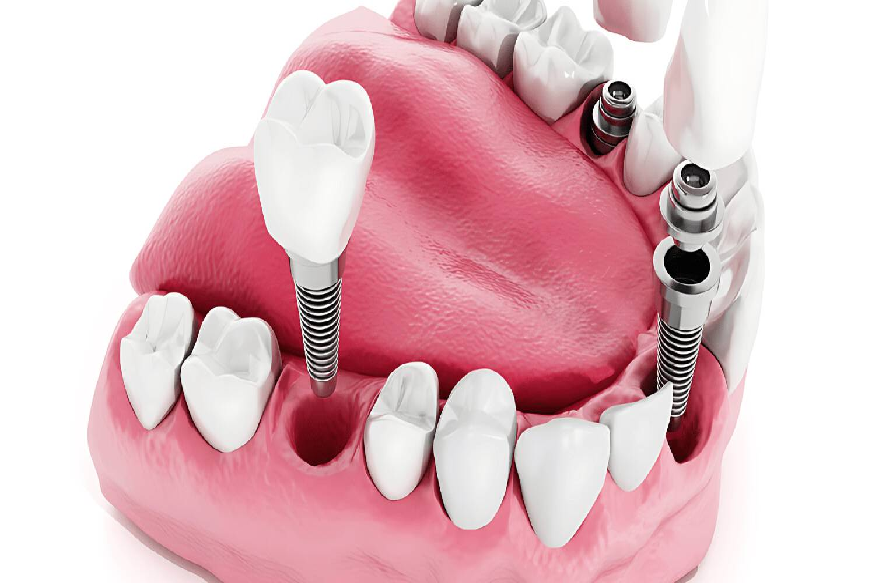
The landscape of restorative dentistry is undergoing a profound transformation, moving beyond simple mechanical replacements toward biological integration. For decades, the industry standard relied on the structural integrity of titanium to replace missing teeth. While effective, the next era of oral healthcare focuses on “precision restoration”—a field where biotechnology and digital accuracy converge to create implants that behave less like foreign objects and more like natural components of the human body. This shift is not merely about aesthetics; it is about enhancing the longevity, comfort, and biological harmony of dental restorations for patients across Australia.
The Rise of Bio-Active Surfaces
One of the most significant leaps in implant technology involves the surface chemistry of the fixture itself. Modern implants are no longer just inert metal screws; they are being engineered with bio-active coatings that actively encourage osseointegration. By applying nanotubes or hydroxyapatite coatings to the implant surface, clinicians can trigger a faster healing response from the jawbone. These microscopic enhancements allow bone cells to attach more securely and rapidly, reducing the traditional waiting period between the initial surgery and the placement of the final crown. This biological “handshake” between the bone and the implant ensures a foundation that is resilient enough to last a lifetime.
Read More: Kids’ Electric Toothbrush: Why It Matters for Lifelong Oral Health
Digital Precision and Guided Surgery
The integration of 3D printing and CAD/CAM (Computer-Aided Design and Manufacturing) has removed the guesswork from the implantation process. Using high-resolution Cone Beam Computed Tomography (CBCT) scans, dentists can now map a patient’s oral anatomy with sub-millimetre accuracy. This data allows for the creation of 3D-printed surgical guides that dictate the exact angle, depth, and position of the implant. Such precision minimizes trauma to the surrounding gingival tissue and nerves, leading to faster recovery times and more predictable outcomes. These innovations shaping the future of dental implant treatments are setting a new benchmark for clinical excellence in the Australian dental industry.
Smart Implants and Diagnostic Integration
Looking toward the horizon, the “smart” revolution is entering the oral cavity. Researchers are currently developing dental implants embedded with nanosensors capable of monitoring the health of the surrounding tissue. These sensors could potentially detect early signs of infection or inflammation—known as peri-implantitis—long before a patient experiences physical symptoms. By transmitting this data to a handheld device or a clinician’s dashboard, the technology allows for proactive intervention. This shift from reactive to preventive care represents a fundamental change in how we maintain permanent dental work, ensuring that minor issues do not escalate into systemic failures.
Tissue Engineering and Growth Factors
Biotechnology is also addressing the challenge of bone density. For patients who have suffered significant bone loss, traditional implants were once a difficult or impossible prospect. Today, the use of Platelet-Rich Fibrin (PRF) and synthetic growth factors is revolutionizing bone grafting procedures. By using a small sample of the patient’s own blood, clinicians can create a concentrated scaffold of healing cells that accelerates bone regeneration. This bio-tech approach allows the body to rebuild its own support structures, providing a natural and sturdy base for permanent dental fixtures without the need for invasive donor grafts.
Zirconia: The Aesthetic and Biological Alternative
While titanium remains a staple, the rise of ceramic zirconia implants is catering to a growing demand for metal-free dentistry. Zirconia is highly biocompatible and boasts a low affinity for bacterial plaque, which can significantly improve long-term gum health. From an aesthetic perspective, the ivory hue of zirconia eliminates the risk of a dark metallic shadow appearing at the gum line, which is particularly beneficial for patients with thin or receding gingival tissue. This material evolution ensures that precision restoration meets the highest standards of both function and form.
Read More: An overview of the composite bonding process and its pros and
The Evolving Standard of Care
As these technologies become more accessible, the focus of Australian clinics is shifting toward holistic patient outcomes. The goal is no longer just to fill a gap in the smile, but to restore the full biomechanical function of the jaw while preserving the natural aesthetics of the face. Through the combination of digital planning, advanced materials, and biological enhancement, the dental industry is providing solutions that are more durable and lifelike than ever before. For those seeking a glimpse into the future, it is clear that the fusion of biology and technology will continue to redefine the possibilities of permanent tooth replacement.