

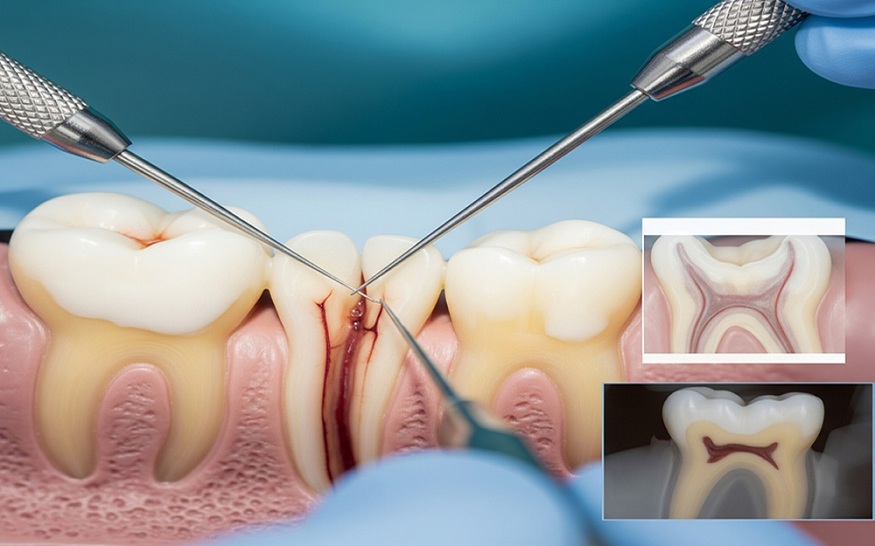
When a dental pulp becomes compromised by deep decay, trauma, or cracks, pathogenic bacteria can infiltrate the delicate root system, leading to a painful internal infection or a localized abscess. For many years, the mere mention of a root canal triggered intense anxiety among dental patients, who associated the procedure with severe discomfort. However, contemporary Australian dentistry has shifted this narrative entirely. By combining advanced clinical approaches with state-of-the-art pain management strategies, modern dental professionals can preserve the structural integrity of your natural dentition while ensuring the entire process feels no different from receiving a standard dental filling.
Safeguarding Patient Comfort with Advanced Local Anaesthesia
The foundation of a comfortable, pain-free endodontic procedure lies in modern local anaesthesia techniques. Historically, standard local anaesthetics sometimes struggled to completely numb highly inflamed pulpal tissue, a clinical phenomenon often referred to as a “hot tooth.” Today, practitioners utilize highly effective, chemically tailored anaesthetic solutions, such as 4% articaine, which boasts superior tissue penetration and higher success rates for profound nerve blocks compared to traditional lidocaine mixtures.
Furthermore, dental practitioners can carefully regulate the physiological delivery of these agents. Delivering the local anaesthetic at a slow, controlled rate significantly reduces the initial stinging or burning sensation caused by localized tissue pressure, mitigating the primary source of injection discomfort. For patients dealing with profound dental anxiety or a hyperactive gag reflex, contemporary clinics routinely provide adjunctive sedation options. These options range from mild inhalation sedation (nitrous oxide) to oral or intravenous conscious sedation, ensuring patients remain completely relaxed, pain-free, and comfortable throughout their time in the chair.
Clinical Progression: Navigating the Treatment Process
A primary method for reducing patient apprehension is demystifying the actual steps of the clinical intervention. Knowing what to expect during root canal treatment for infected or damaged teeth allows individuals to approach their appointment with peace of mind. The procedure commences with comprehensive digital diagnostics, typically utilizing low-radiation digital X-rays to map out the unique, intricate morphology of the root canals. Once profound local anaesthesia is established, a protective rubber dam is placed over the area to keep the tooth isolated, sterile, and entirely free from oral saliva.
Next, the practitioner creates a precise, microscopic access opening through the crown of the tooth to expose the damaged pulp. Utilizing highly flexible nickel-titanium (NiTi) rotary instruments, the dentist meticulously debrides, cleanses, and shapes the narrow canal pathways. These specialized instruments adapt seamlessly to the natural curvatures of the root walls, minimizing the risk of internal microfractures or structural alterations. Throughout this mechanical instrumentation, antimicrobial irrigation solutions are introduced into space to flush out bacterial biofilms, necrotic tissue remnants, and microscopic debris. Once the canals are fully disinfected, they are obturated with a biocompatible, sterile material known as gutta-percha, which seals the root canal space against future microbial invasion.
Innovative Innovations in Modern Endodontics
The ultimate comfort and long-term success of root canal therapy have been significantly elevated by the arrival of specialized clinical equipment. The integration of high-powered dental operating microscopes provides practitioners with up to 30 times magnification and intense coaxial lighting. This extreme precision allows clinicians to easily identify hidden accessory canals, calcified chambers, or subtle structural microfractures that might otherwise be missed by the naked eye, drastically lowering the risk of post-operative reinfection.
Read More: Kids’ Electric Toothbrush: Why It Matters for Lifelong Oral Health
Simultaneously, traditional manual scrubbing protocols have been replaced by advanced ultrasonic irrigation systems. These devices create high-frequency acoustic energy waves within the sanitizing solutions, generating a phenomenon known as acoustic streaming. This energetic fluid movement drives the antibacterial agents deep into microscopic lateral canals and microscopic dentinal tubules, achieving an unparalleled level of biological disinfection without altering the supportive dentin structure. As these technological trends gain traction, the overall timeframe for the procedure has dropped significantly, allowing many complex cases to be completed in a single, highly efficient appointment.
Post-Operative Management and Longevity
Following the completion of the root canal therapy, the treated tooth is temporarily sealed to allow the surrounding periapical tissues and jawbone to heal. Because the internal nerve tissue has been completely removed, the tooth will no longer register sensitivity to hot or cold temperatures. While mild, temporary muscular tenderness around the jaw or injection site is normal for a few days following treatment, this is easily managed with standard over-the-counter anti-inflammatory medications.
Because an infected tooth loses its internal blood supply and vital structural hydration during the infection process, the remaining enamel shell becomes dry and inherently brittle over time. To protect the underlying structure from structural fractures under everyday biting forces, a custom-fabricated full-coverage dental crown is usually bonded to the tooth. This restorative step restores complete chewing functionality and aesthetics, ensuring your natural smile remains completely healthy, beautiful, and functional for decades to come.